
Team Building & Leadership
ORGL 550 deepened my understanding of team formation, leadership styles, and group development, providing practical tools to enhance team effectiveness. Through the immersive experience, I saw firsthand how trust, psychological safety, and communication shape high-functioning teams. Tuckman’s stages of development became more tangible as we moved through forming, storming, norming, and performing, highlighting the importance of building trust early and fostering inclusion. Activities like the full value contract and team challenges reinforced the need for diverse leadership styles, adaptability, and shared purpose. The course readings, particularly The Five Dysfunctions of a Team, emphasized that addressing conflict and accountability is essential for high performance, a lesson I experienced firsthand during the problem-solving exercises where miscommunication led to breakdowns in execution. The hands-on nature of the course challenged my perspectives on communication and conflict resolution, particularly through the chair activity, which demonstrated how easily misalignment occurs without clear direction. The conflict continuum exercise further reinforced that strategic disruption can drive growth when managed intentionally. Moving forward, I plan to implement structured feedback loops, promote psychological safety, and encourage inclusive decision-making within my team. This course strengthened my ability to build collaborative, adaptable, and high-performing teams, equipping me with the confidence to lead more effectively.
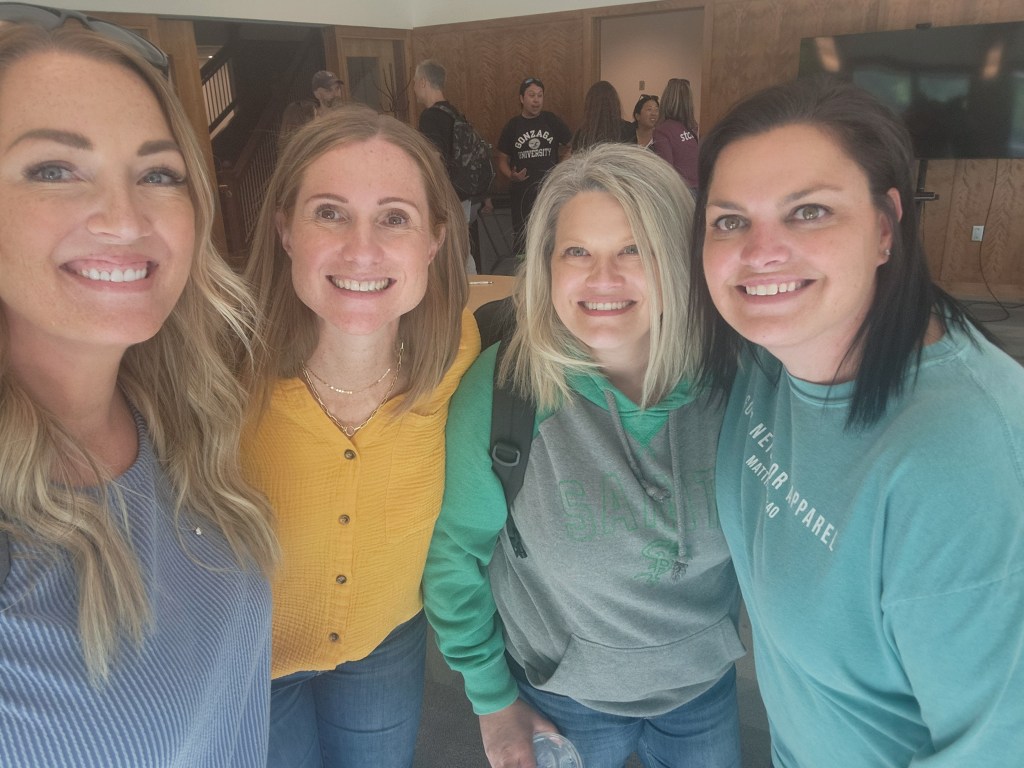

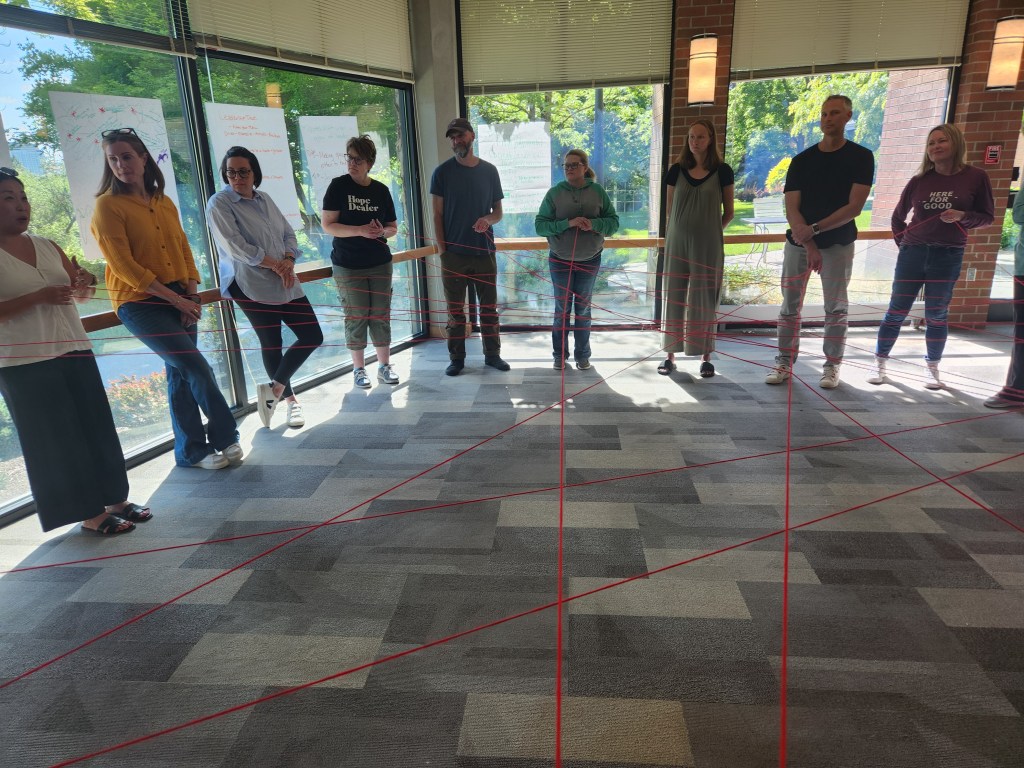

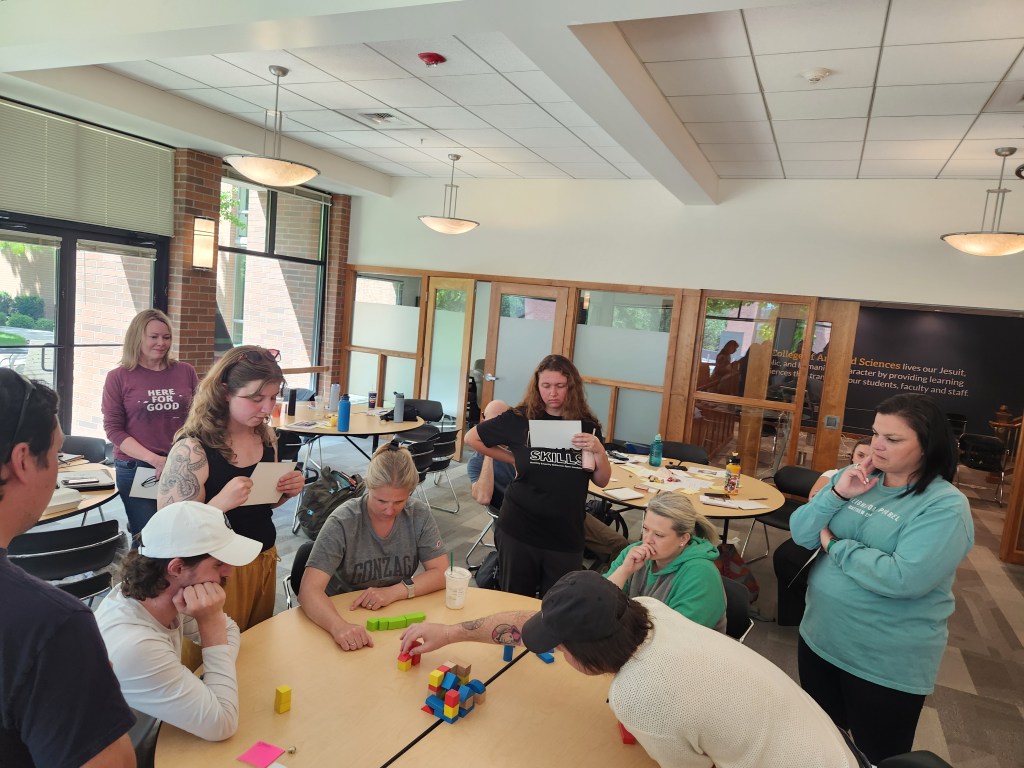
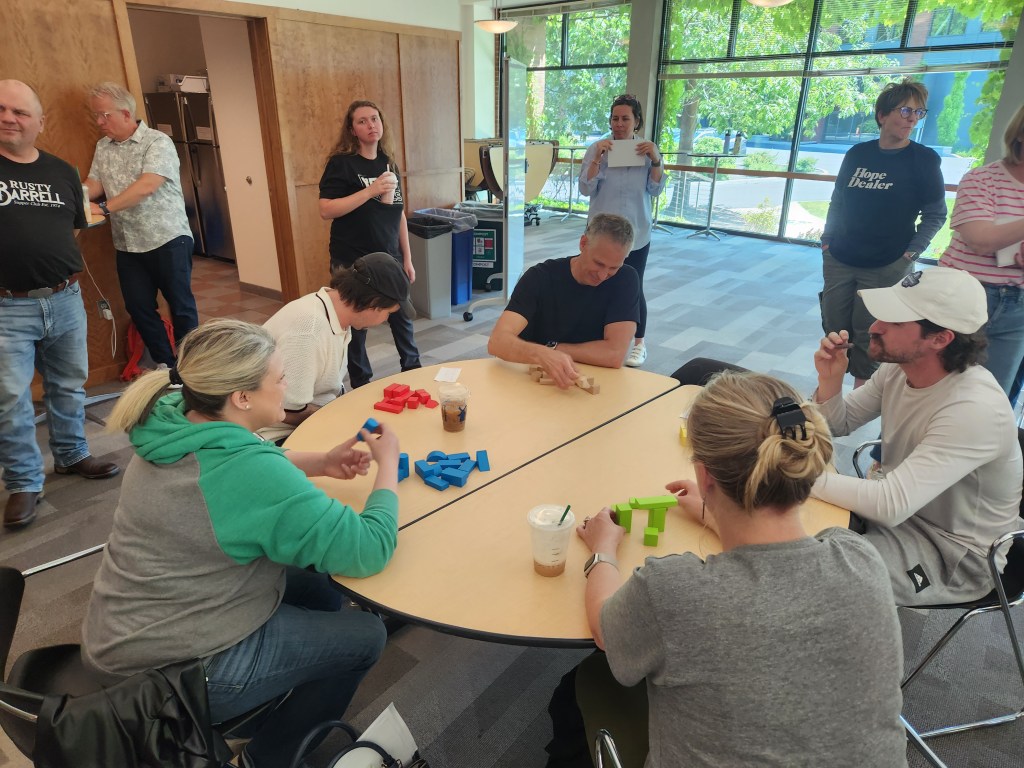
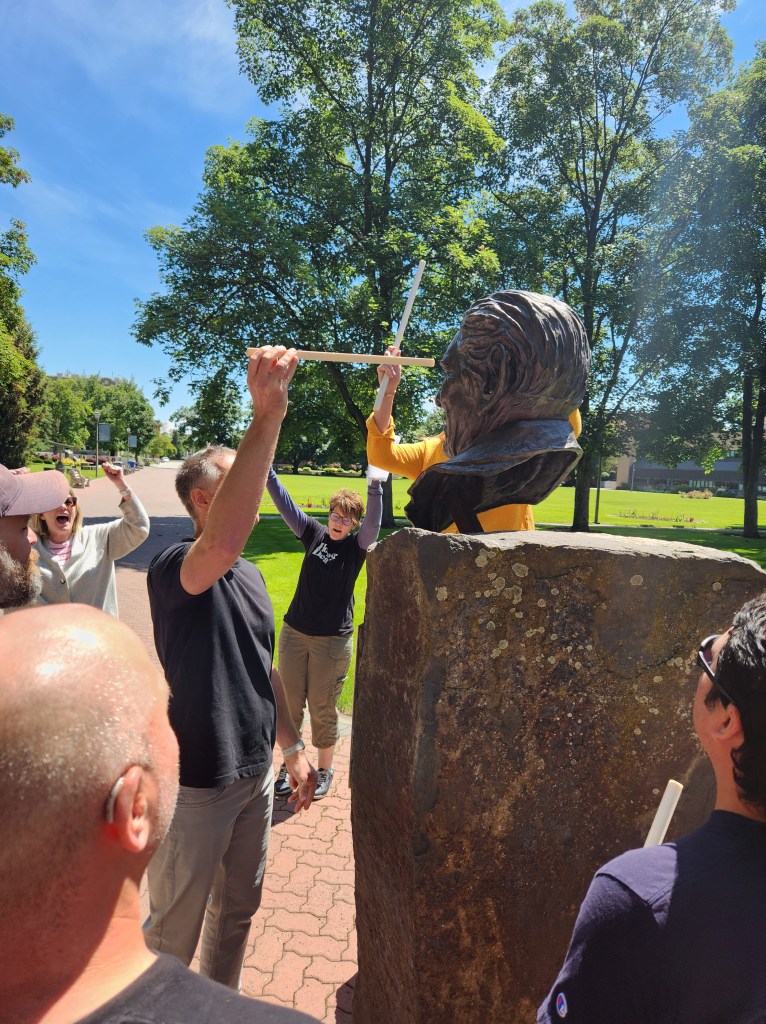
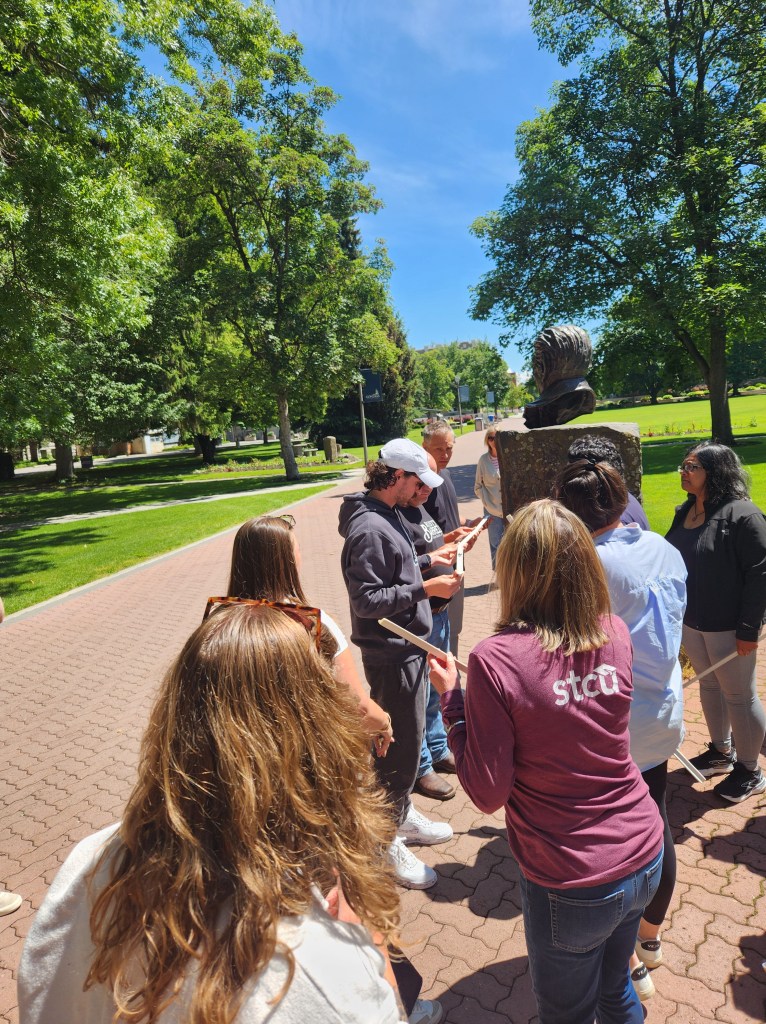
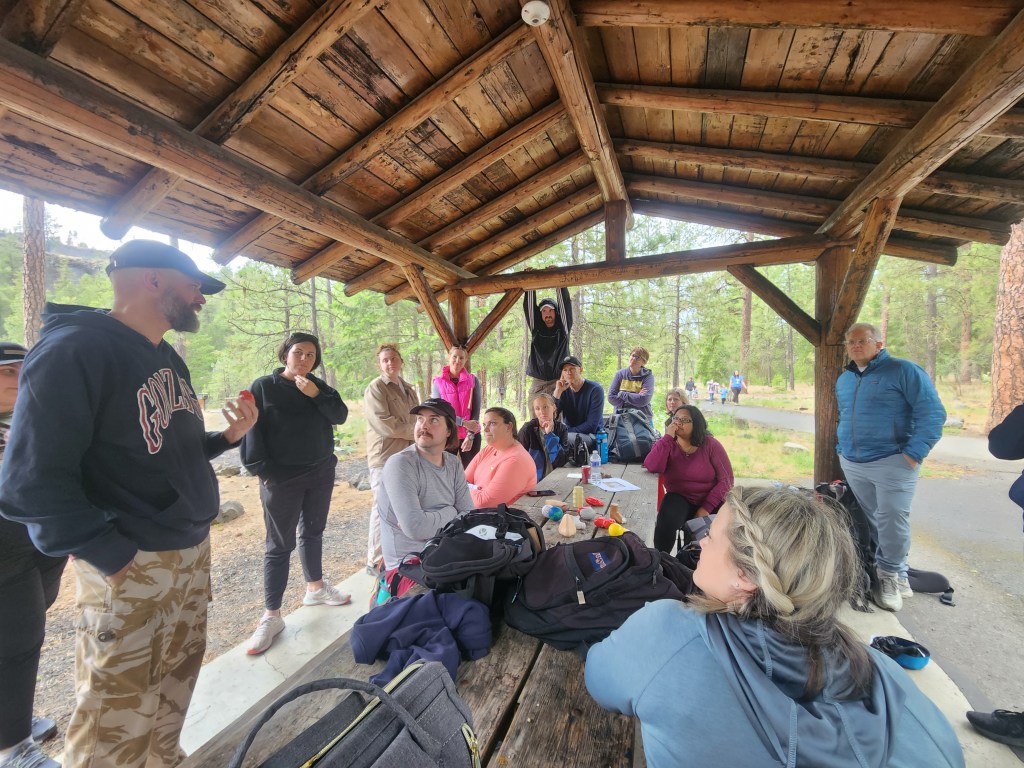
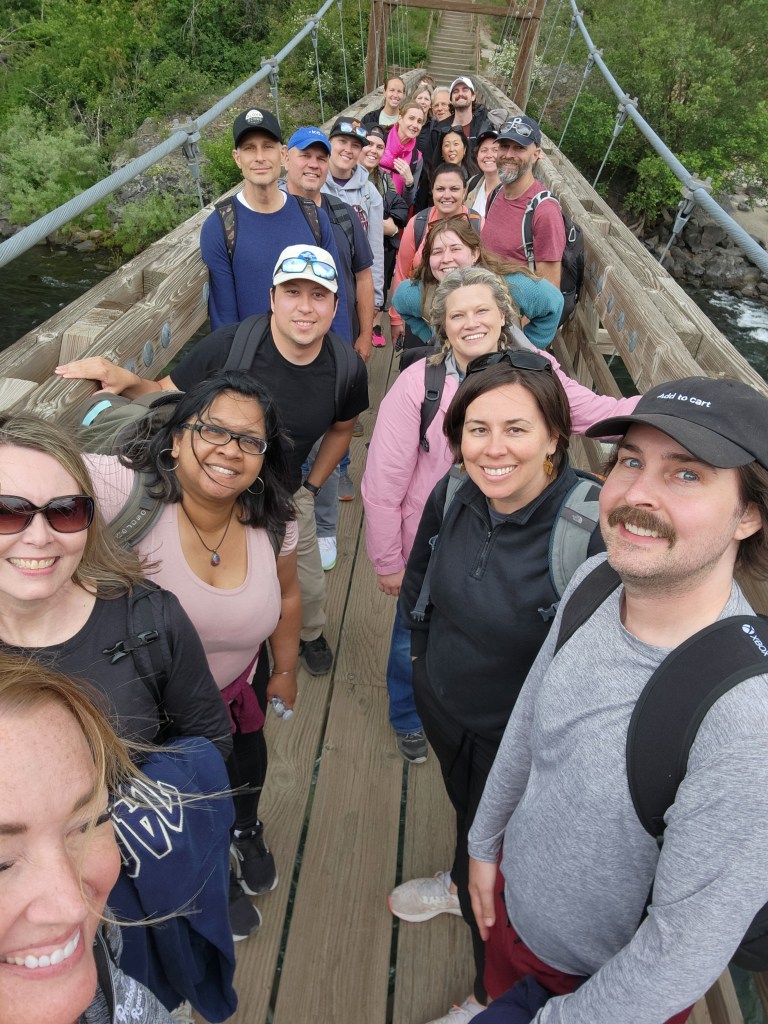
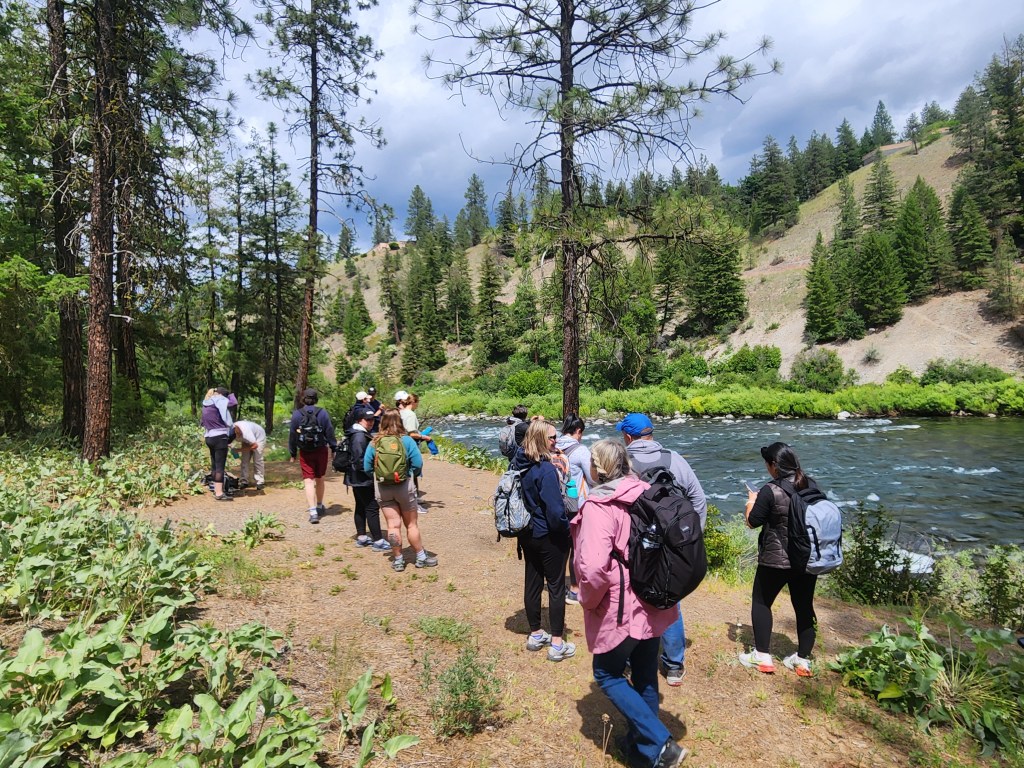
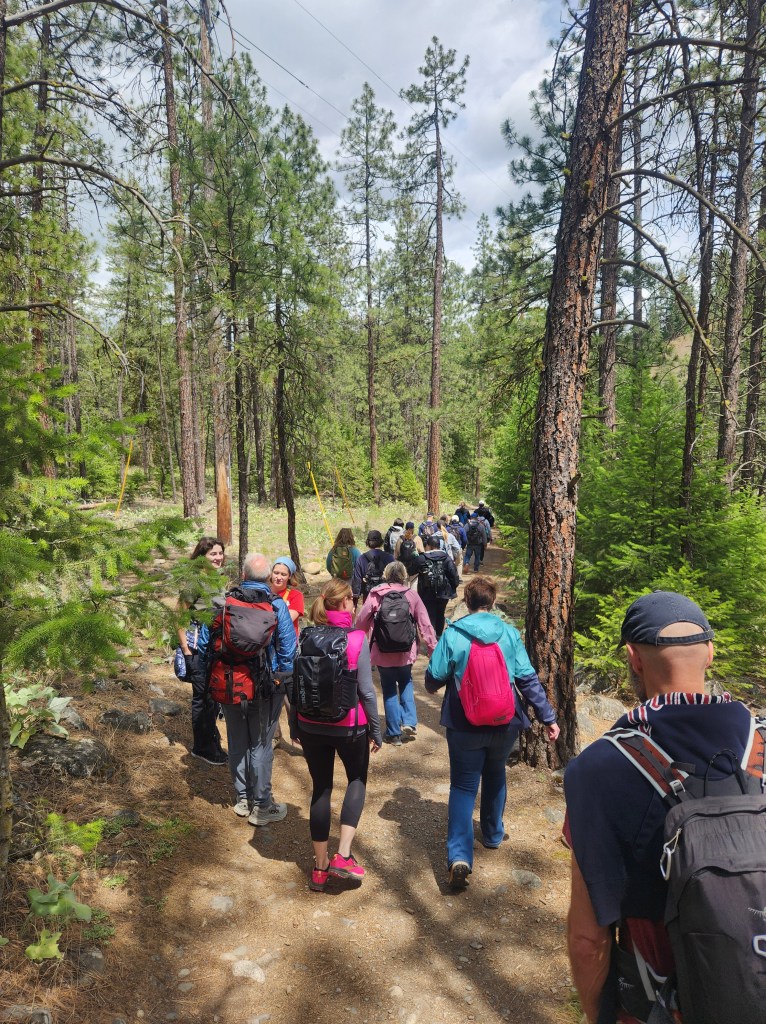
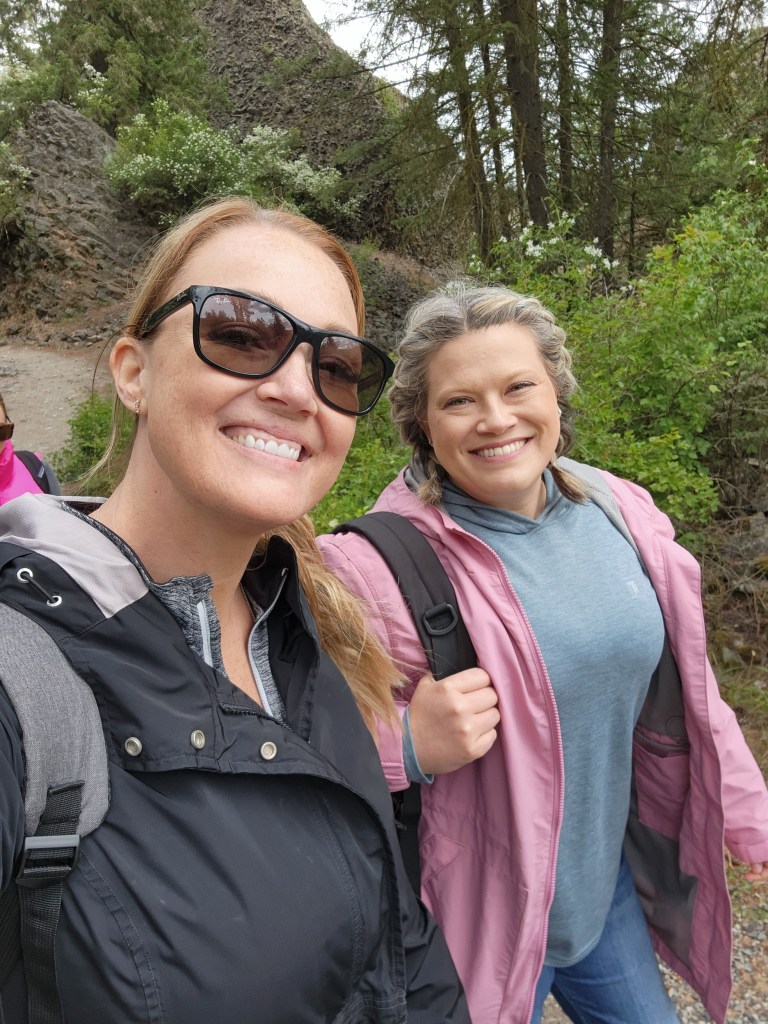
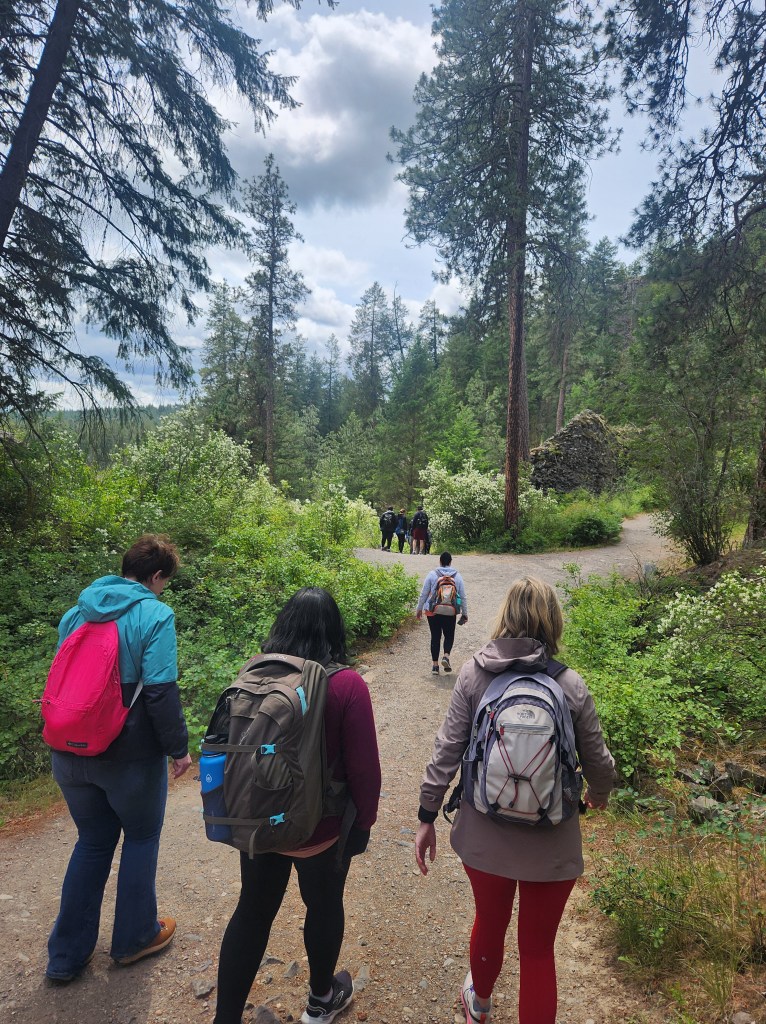
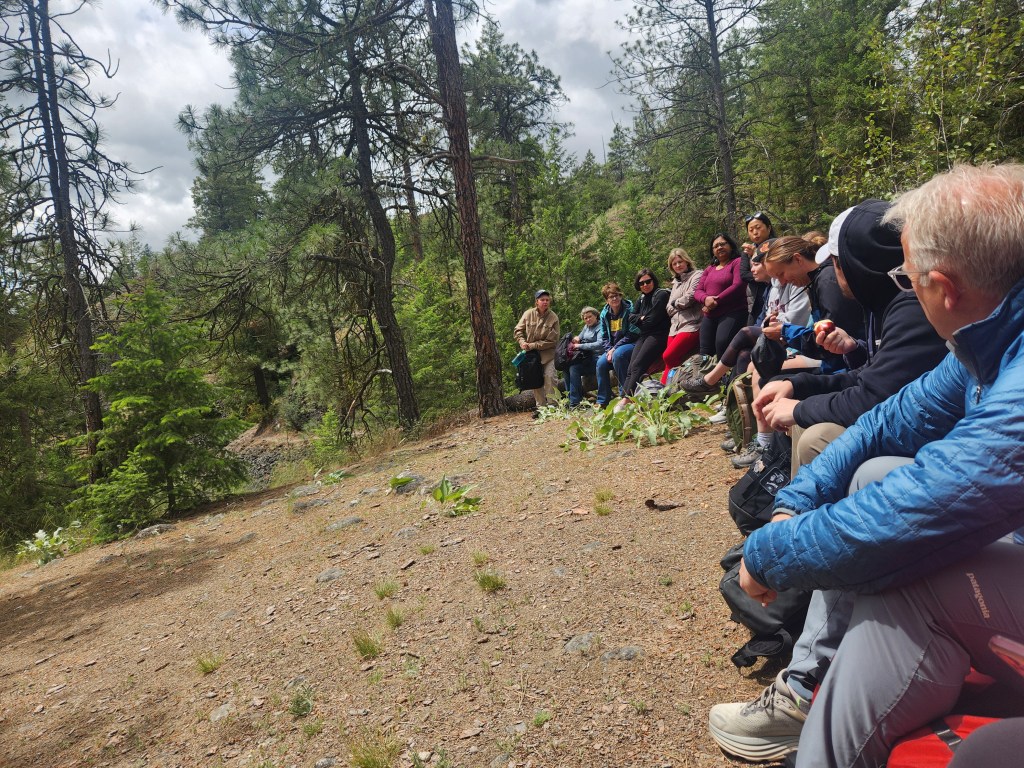
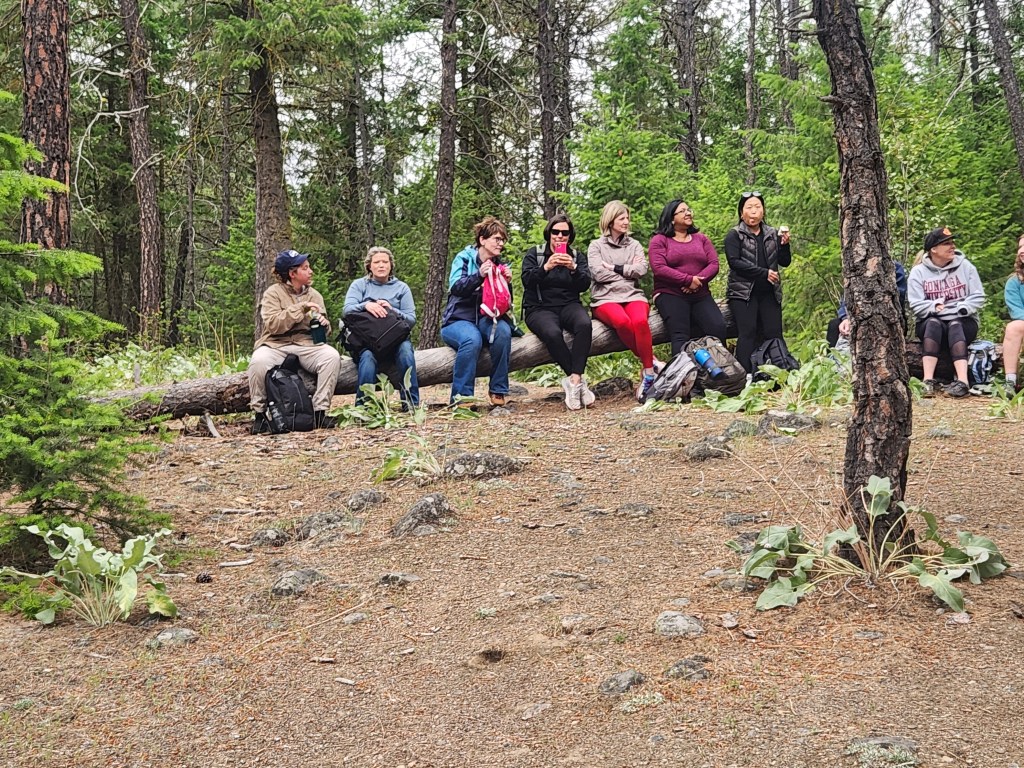
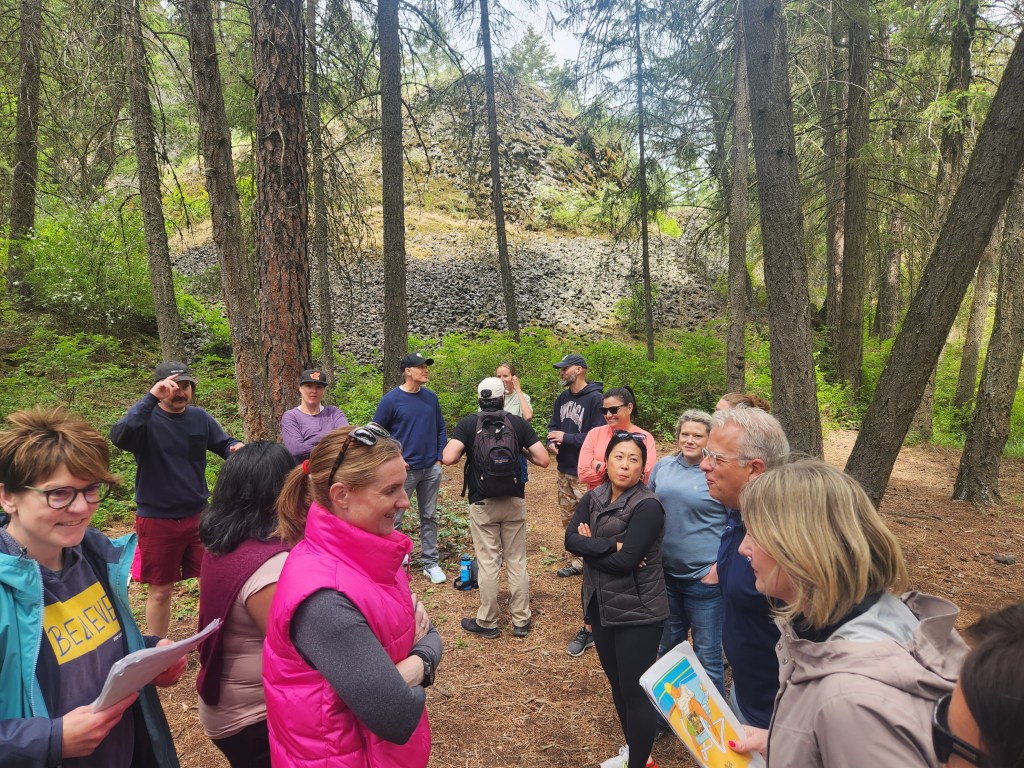
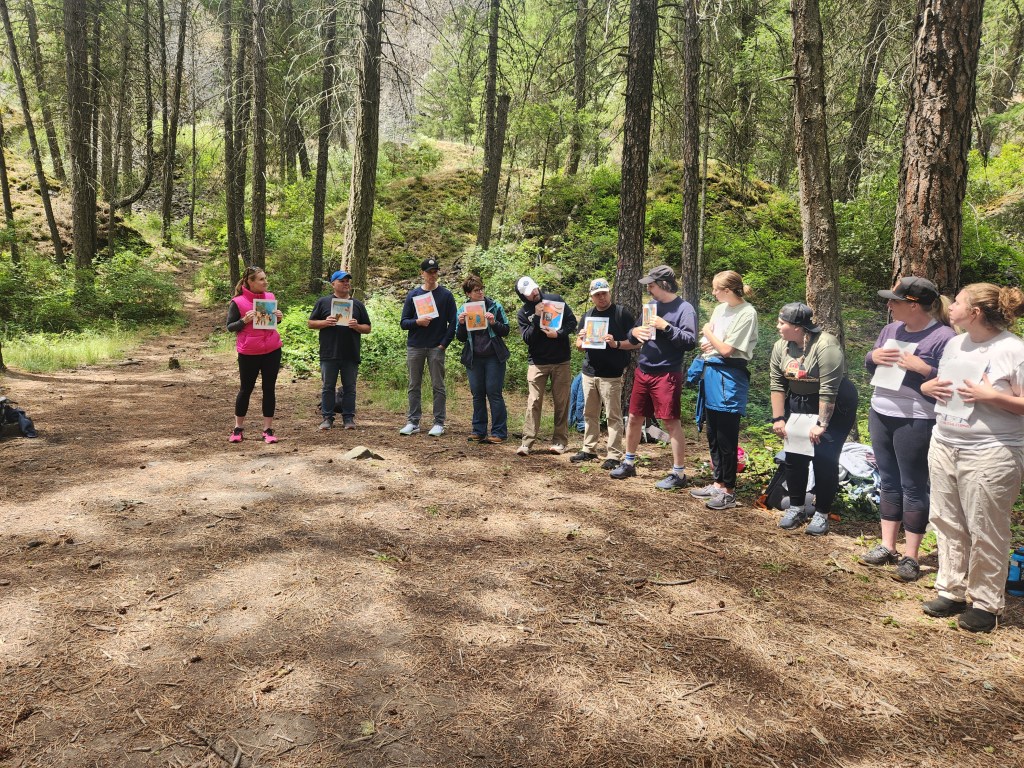


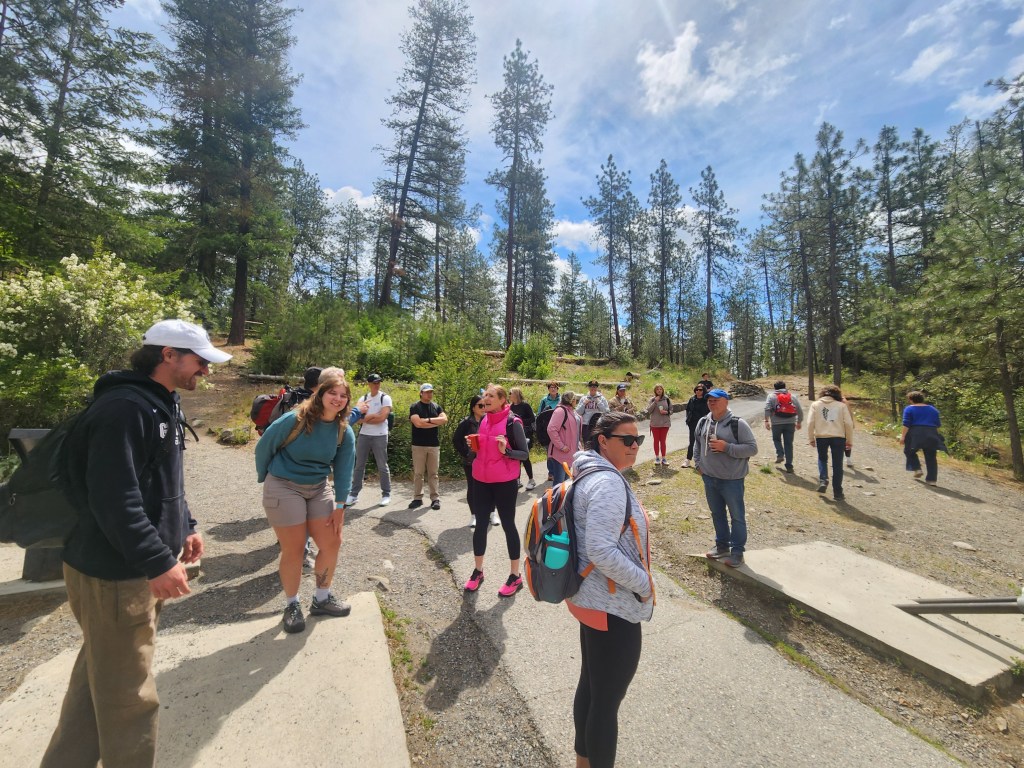
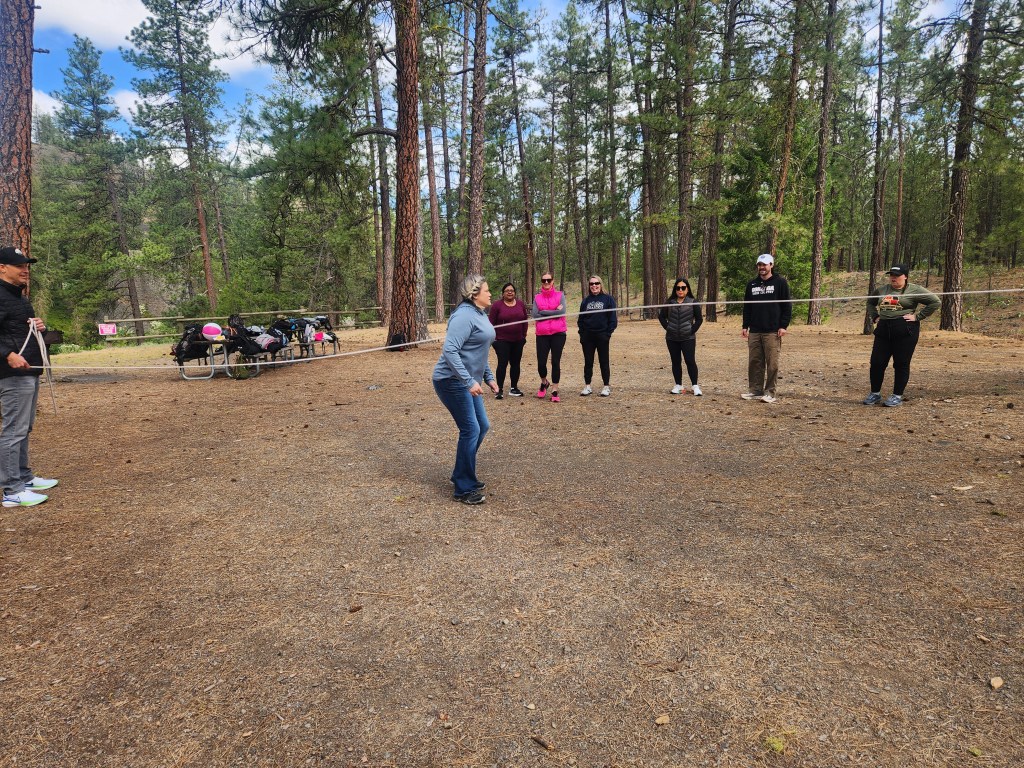
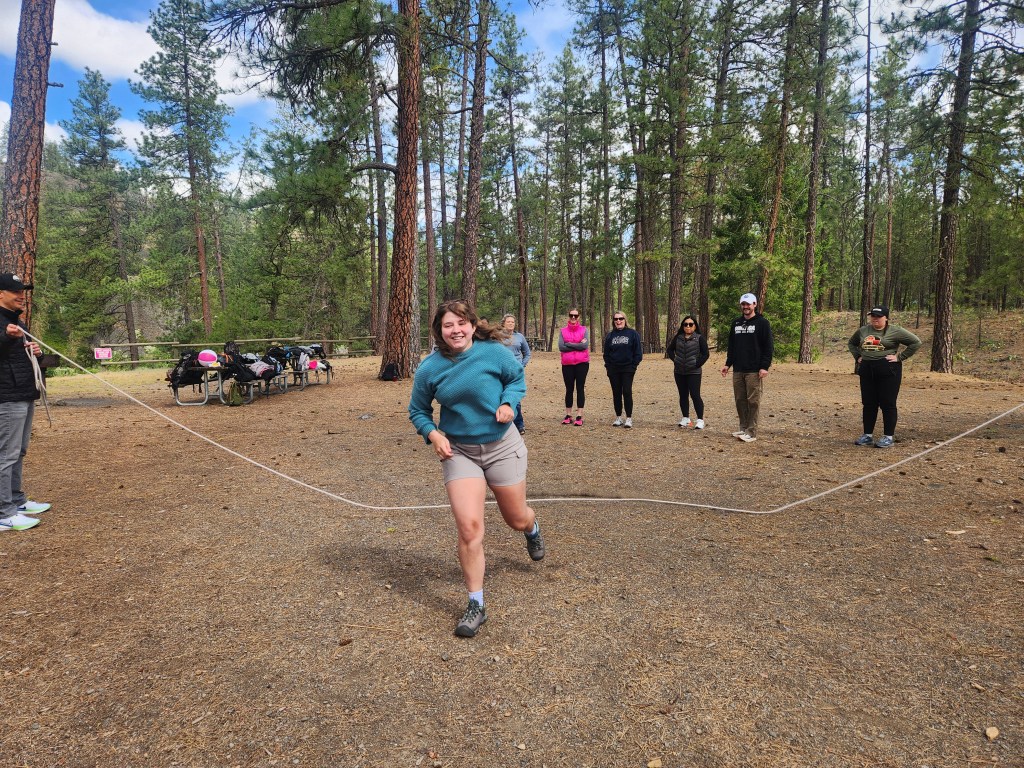
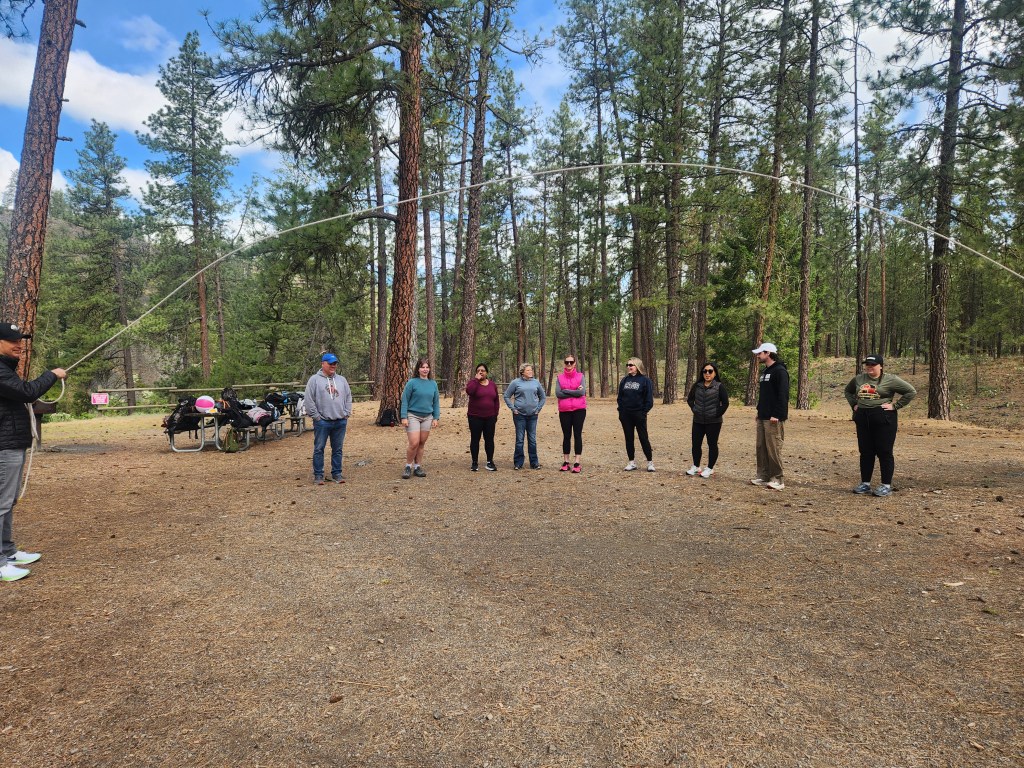


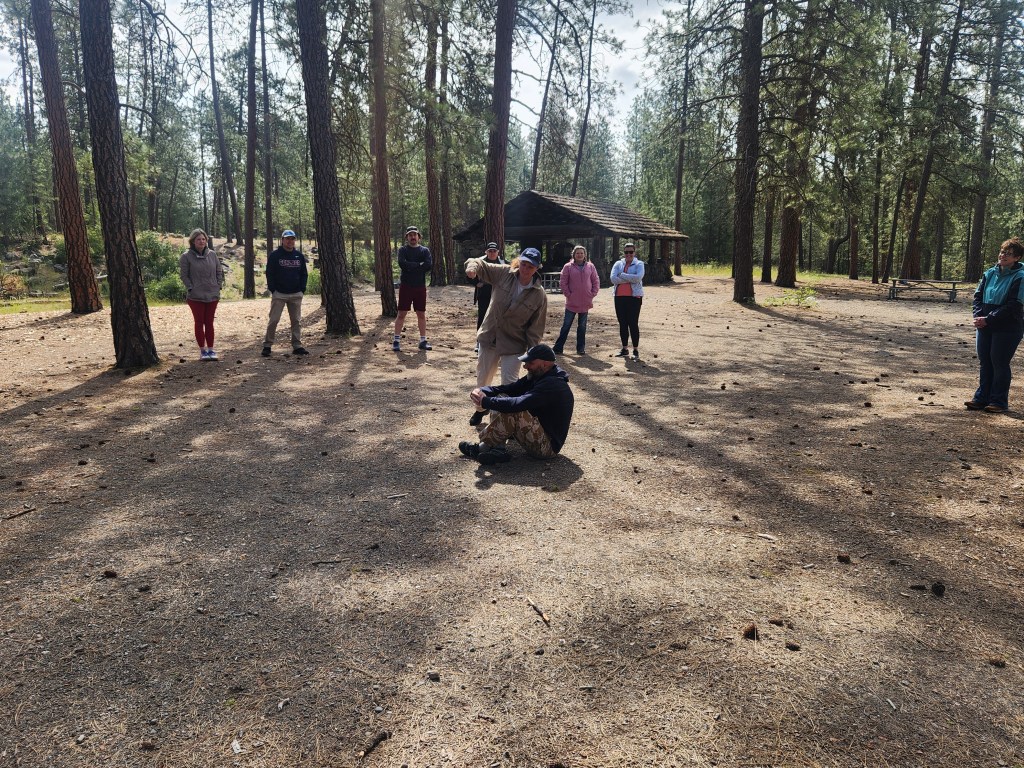
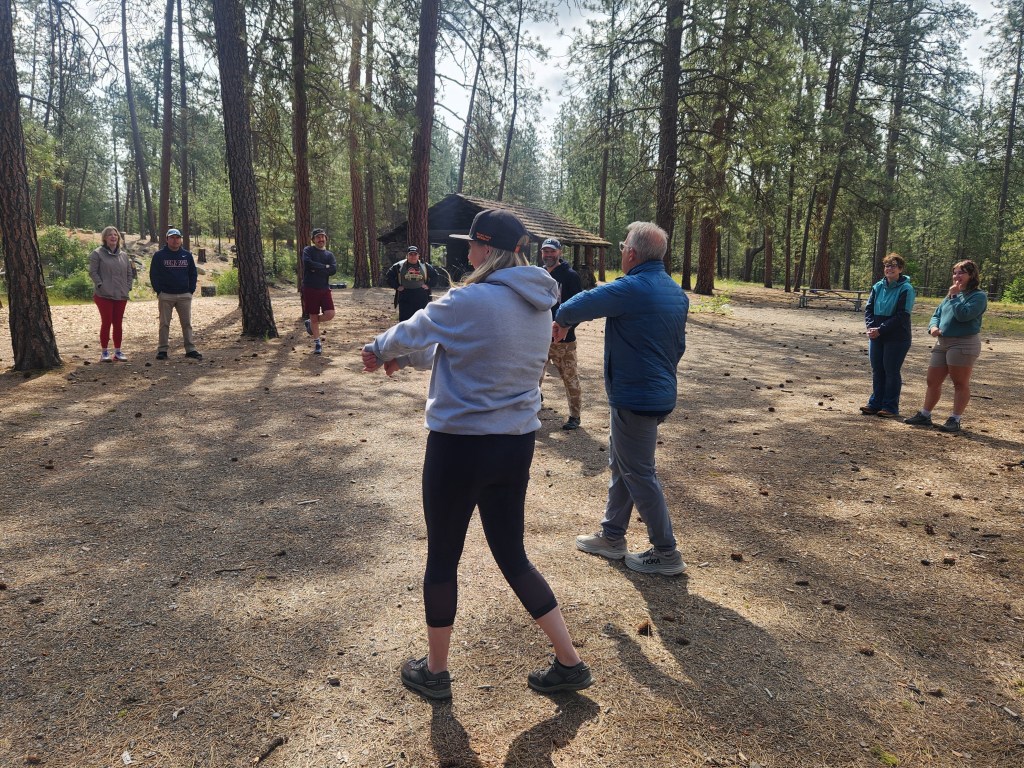
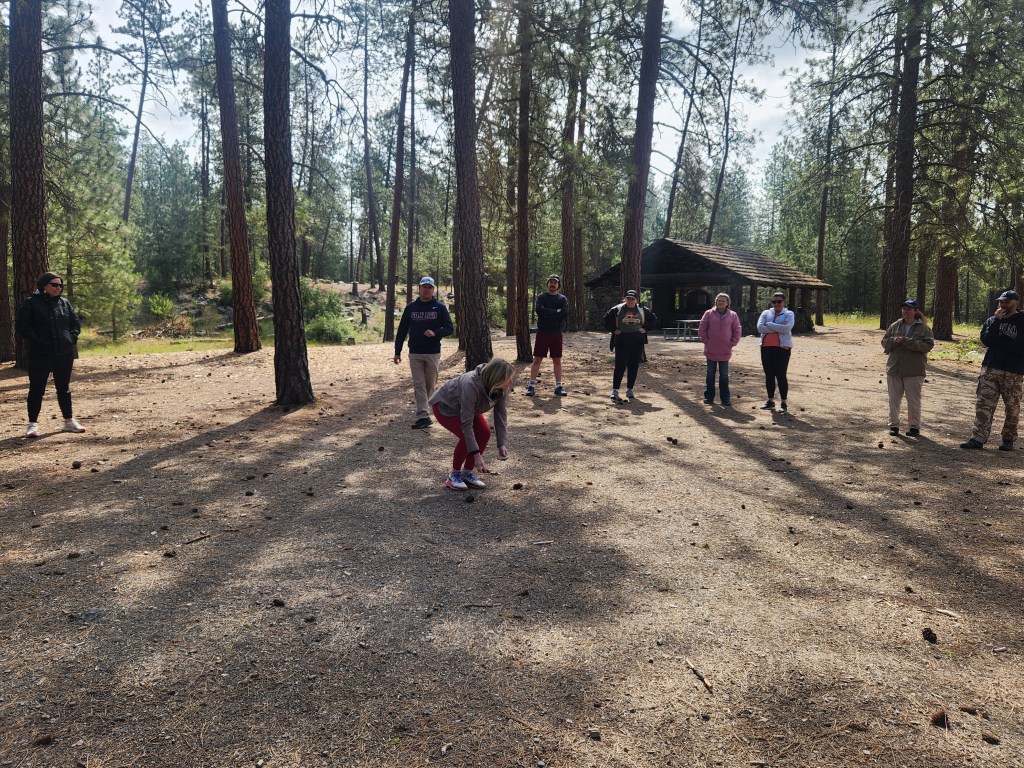
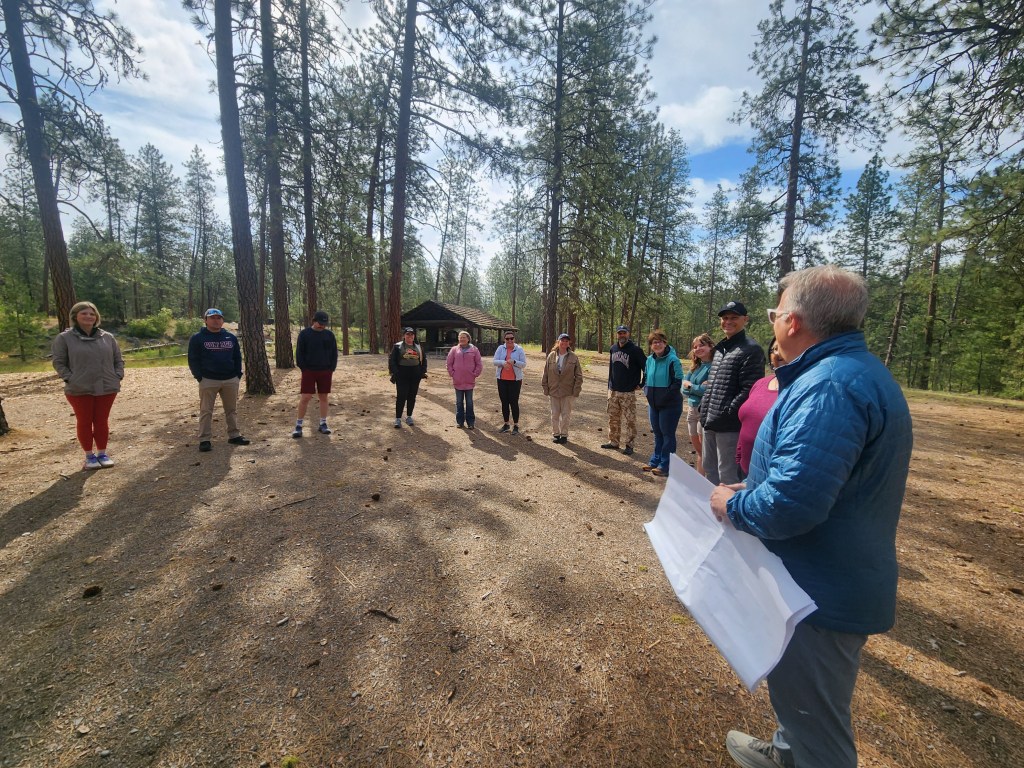
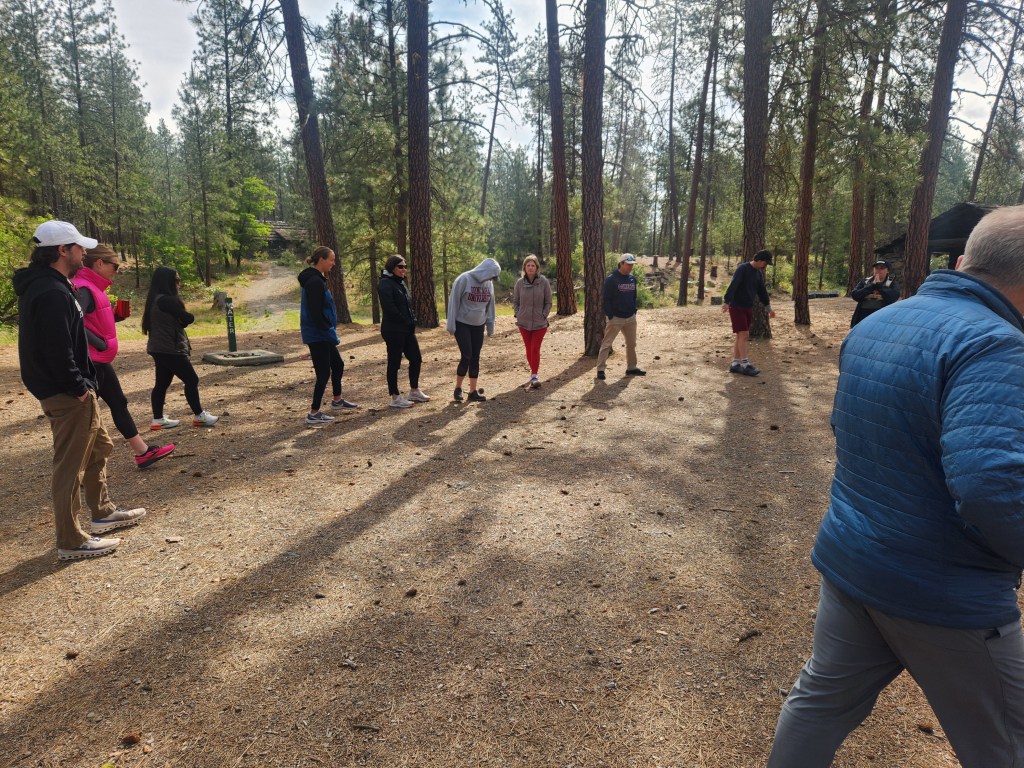
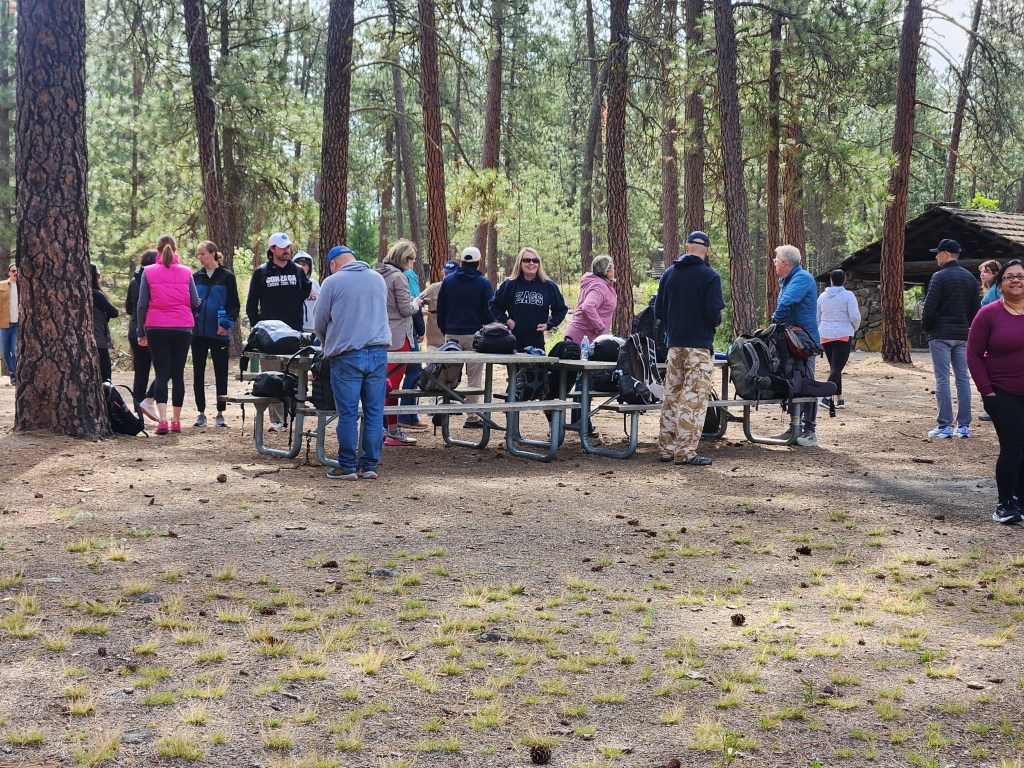
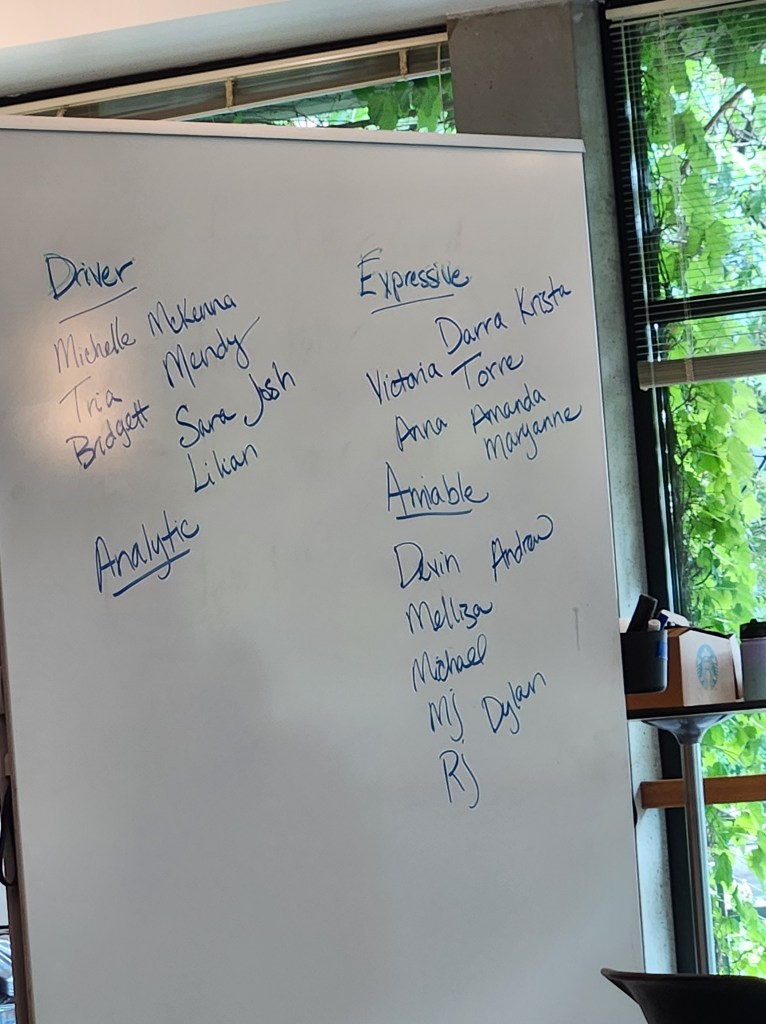
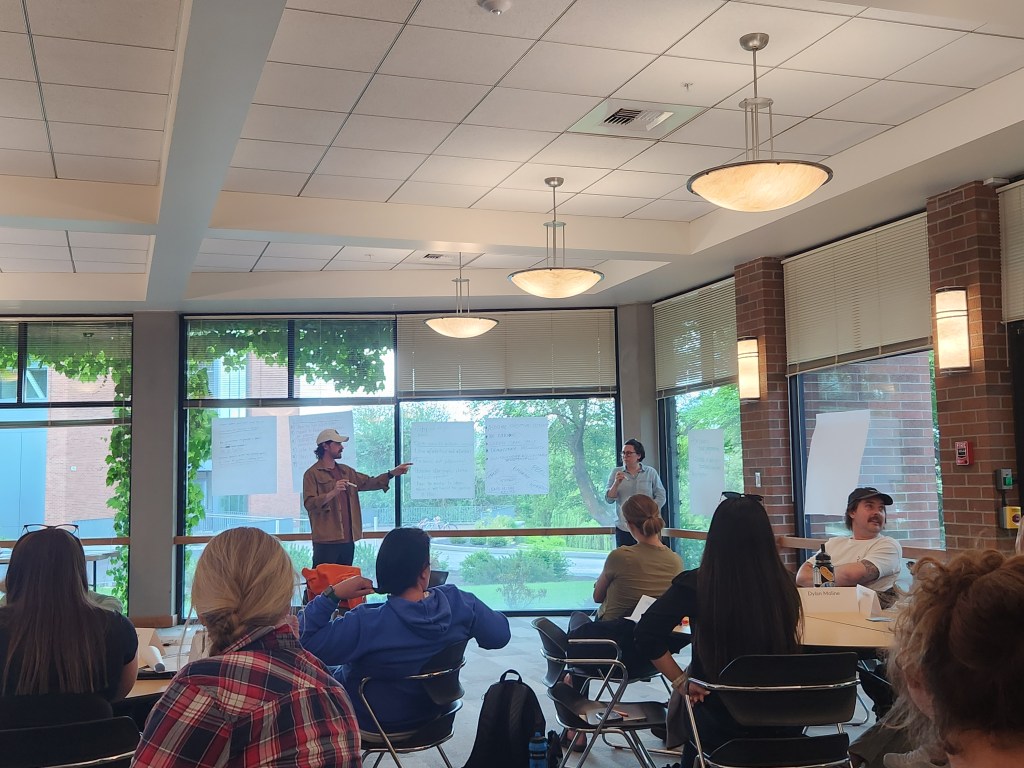
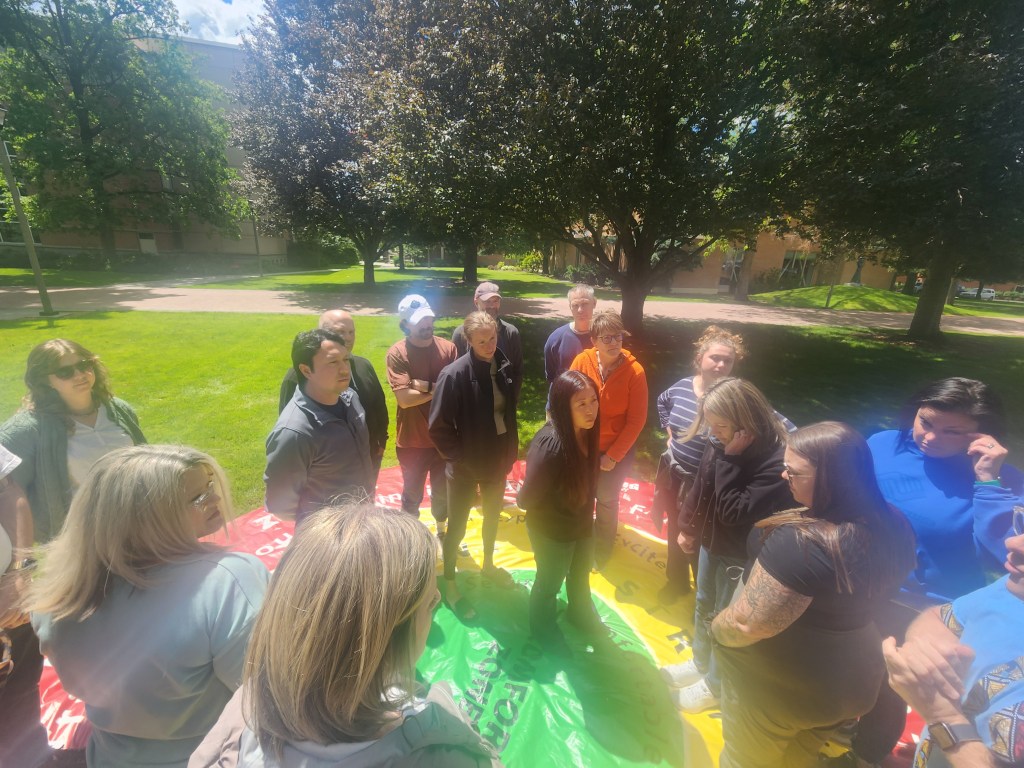

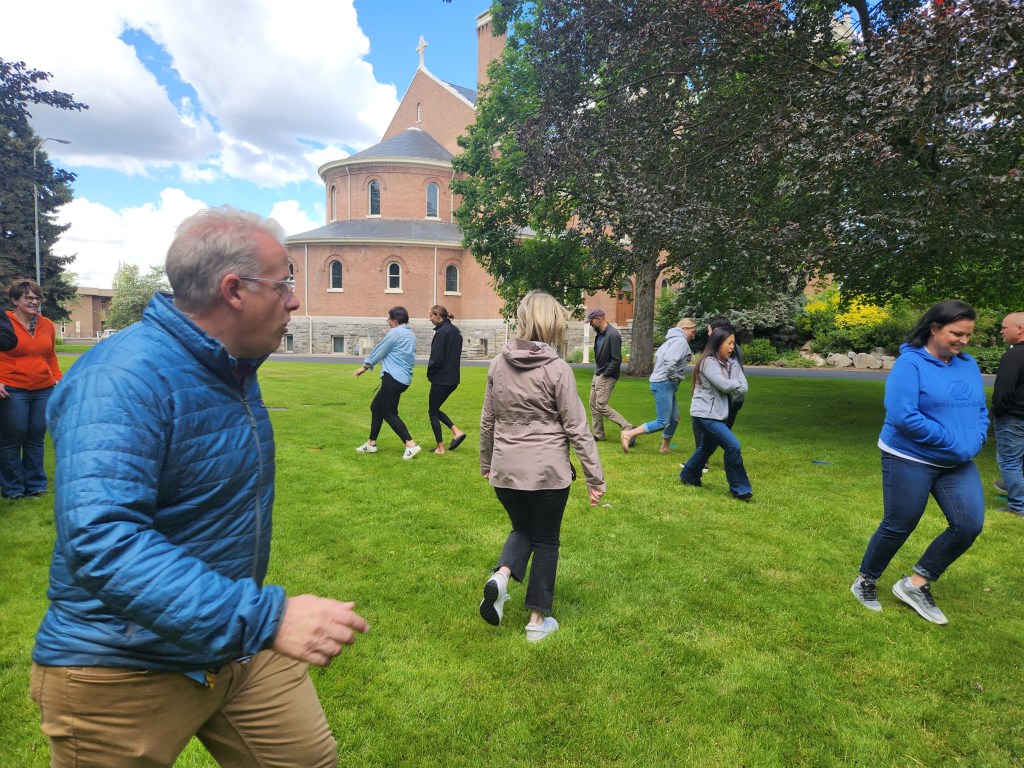
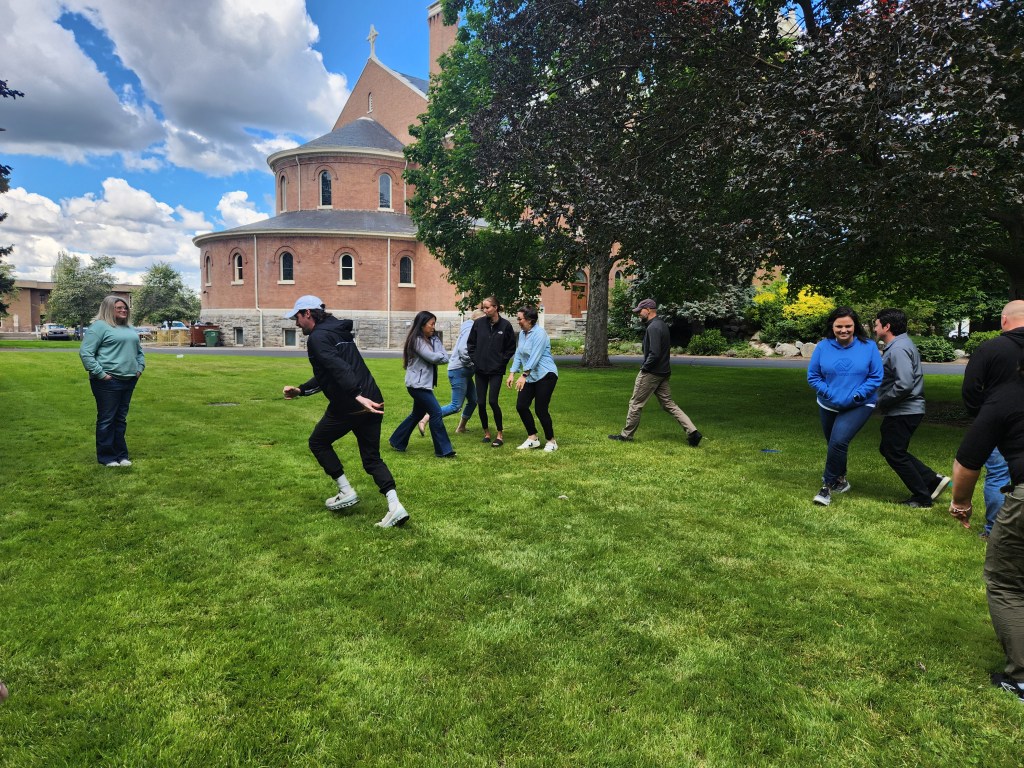
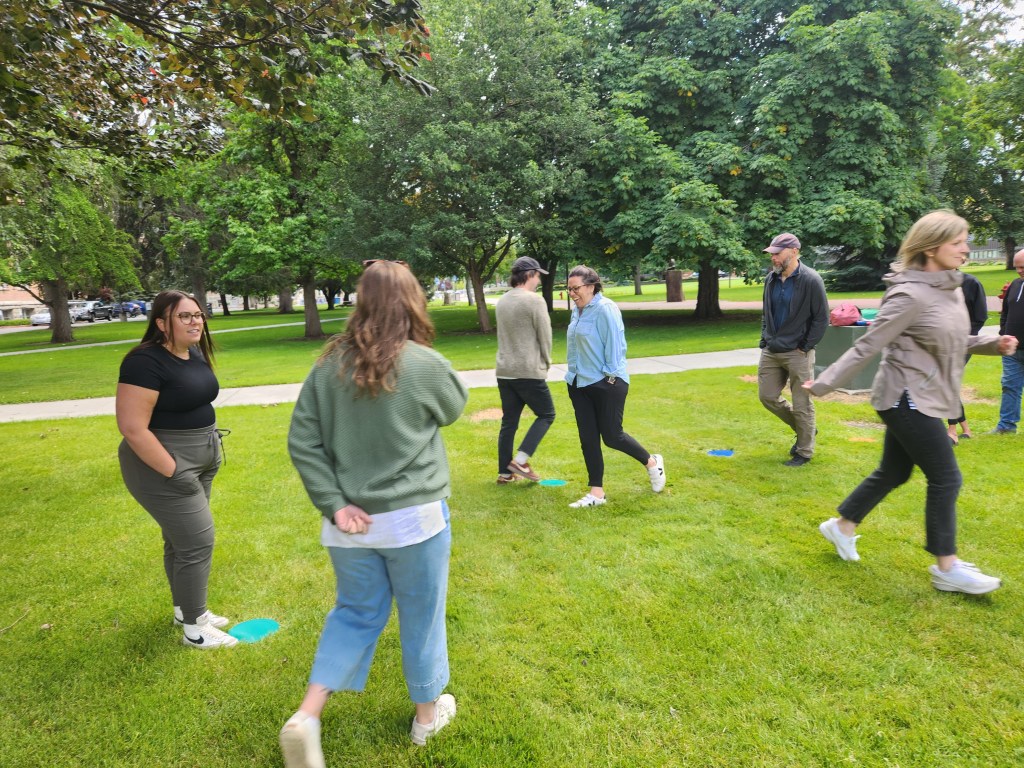
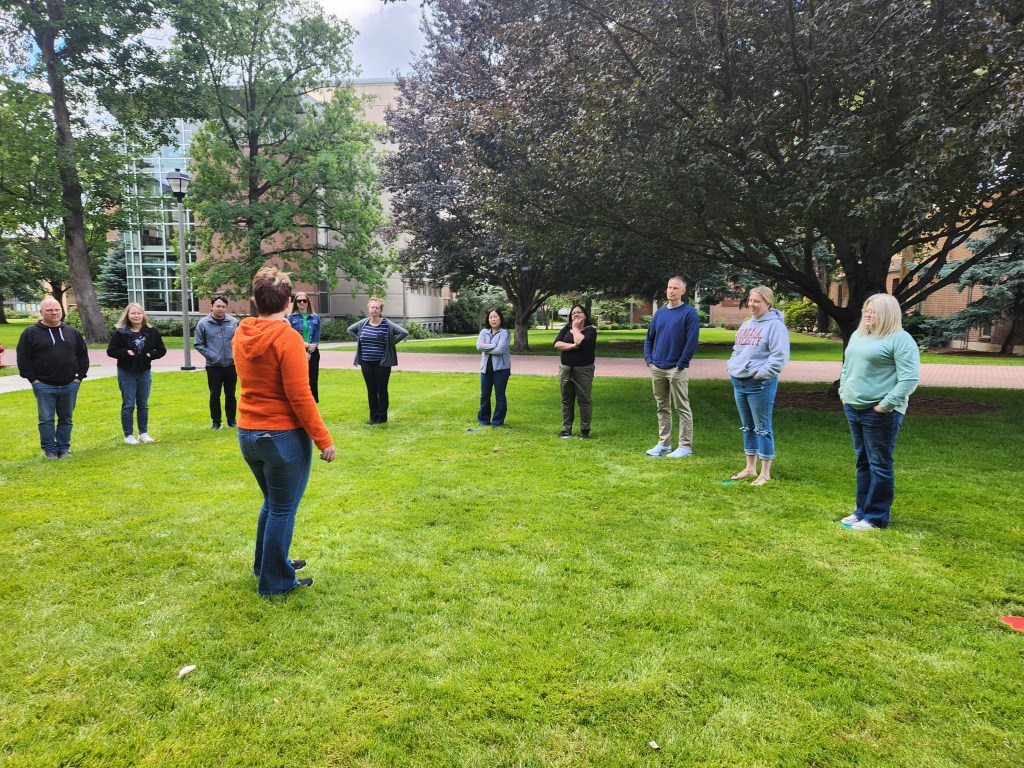
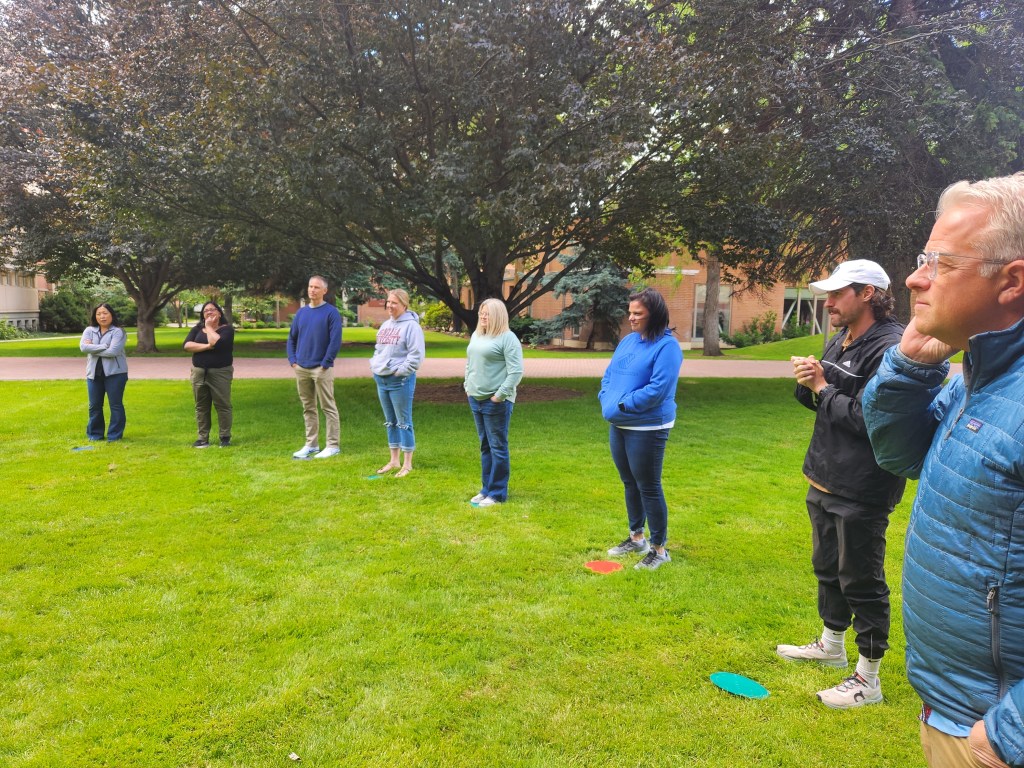
During the three-day immersion, vulnerability became central to our team-building experience. From sharing personal artifacts to discussing struggles and triumphs, every interaction strengthened our ability to trust and support one another. The images I captured reflect these moments, whether assisting a teammate through a challenge or engaging in deep conversations, they embody the psychological safety and trust we cultivated. This lesson ties directly to The Culture Code, which emphasizes that strong teams thrive on connection and mutual care. Back in my own team, I quickly realized how a lack of psychological safety prevents people from speaking up. Inspired by the immersion, I led a follow-up meeting focused on trust, teamwork, and embracing vulnerability, reinforcing that asking for help is a strength, not a weakness. ORGL 550 provided the foundation for me to build a culture where openness and continuous learning drive success, an insight now captured in both my leadership approach and the photos from my time on campus.
 Lead to Inspire