

Leadership is an evolving journey, one that requires continuous learning, self-reflection, and the willingness to grow both personally and professionally. Over the past two years in the Organizational Leadership (ORGL) program at Gonzaga University, my understanding of leadership has transformed in ways I never expected. When I first entered the program, I viewed leadership as a transactional process, focusing primarily on achieving results and meeting organizational goals. Yet, through academic study, immersive experiences, and deep personal reflection, I have come to understand that leadership is dynamic, relational, and more importantly – human.
When I began the ORGL program, I believed there was a singular, ideal way to lead. Leadership, to me, was about driving performance, making decisions, and ensuring company success. However, in ORGL 600: Foundations of Leadership, I was introduced to a variety of leadership theories that challenged my initial assumptions. Peter Northouse’s Leadership: Theory and Practice (2022) helped me see leadership as a fluid and situational process rather than a one size fits all approach. While I had basic knowledge and believed in servant leadership, I learned that elements of transformational and authentic leadership also played a role in shaping my leadership style. My understanding of leadership was further developed during my stay at St. Andrews Abbey with Dr. Carey. Immersed in a monastic environment, I experienced firsthand the power of quiet reflection and more importantly the concept of intentionality in leadership. The simplicity and mindfulness of the Benedictine way reinforced the importance of leading with presence, humility, and service.
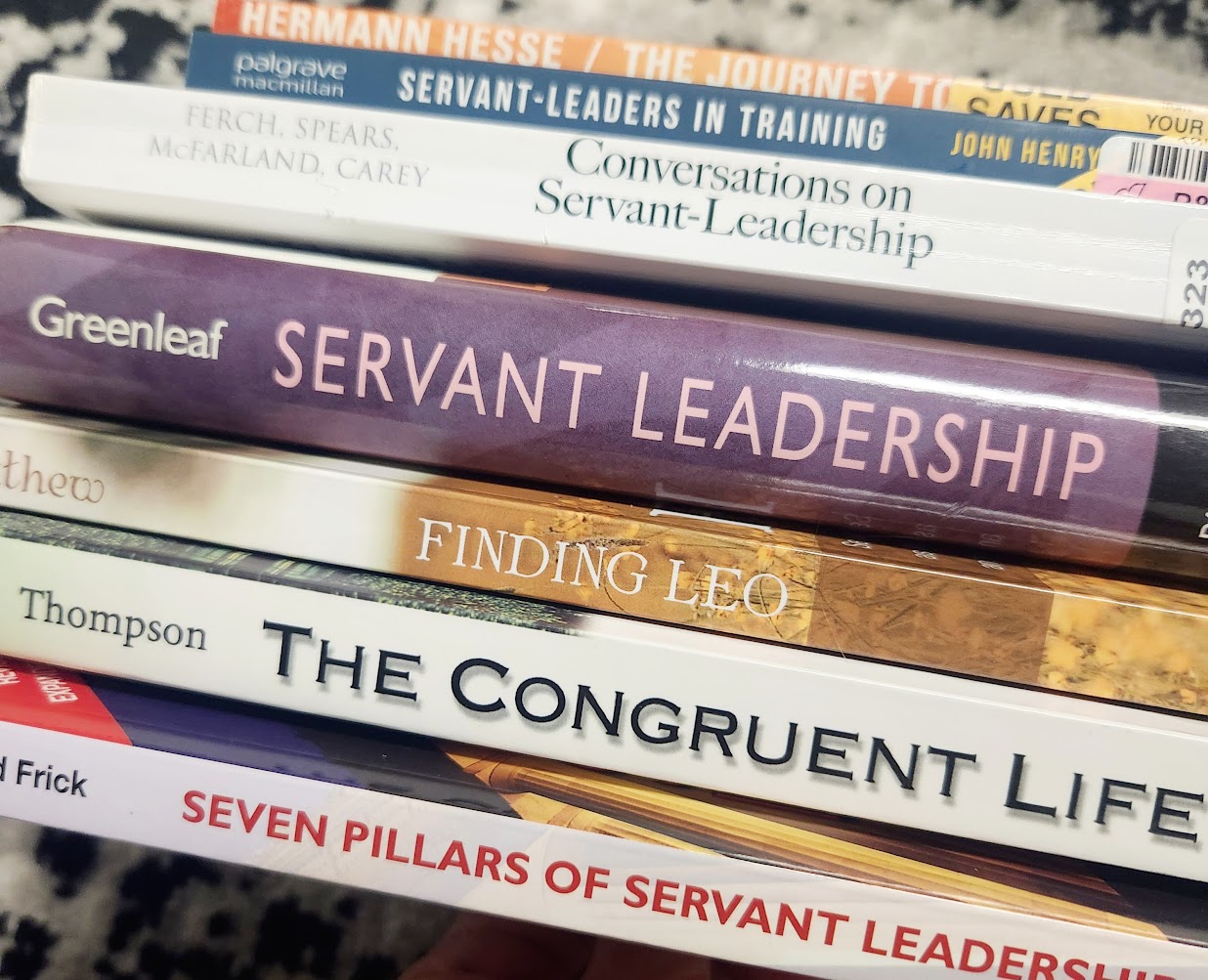
A key lesson from my time at Gonzaga has been gaining a deeper appreciation for servant leadership. In ORGL 530: Servant Leadership, I explored Robert Greenleaf’s concept of serving first, which reinforced my belief that leadership is about empowering others. I really understood how empathy, active listening, and mentorship are core to my leadership philosophy during the course. I had always believed in creating space for others, particularly those who may not have been given opportunities to lead before and this program helped me articulate why that belief is so essential to my leadership identity. That said, one of the most profound shifts in my perspective when thinking about servant leadership came with the realization that servant leadership does not mean neglecting my own needs. Originally, I believed that every decision I made as a leader had to be in the service of others, often at my own expense. Yet, through coursework and reflection, I learned that true servant leadership also means recognizing when putting myself first is what my team needs most. My time in Florence this past fall also helped me develop this understanding. With Dr. Tran, the concept of “both, and” hit home and I was able to understand the ability to hold multiple truths at once. Leadership is not about choosing between the needs of the organization and the needs of individuals; it is about finding the balance between the two. In Florence, I engaged with discussions and experiences that reinforced the idea that being a strong leader requires both service and self-care, both accountability and compassion.
Over the past two years, my professional role as Director of Sales in a technology company has provided numerous opportunities to apply these lessons in real-time. A key moment came during a company restructuring when I inherited a new group of employees in 2023 right when we also welcomed a new President to our company. Although I was at the very beginning of the ORGL program, the timing afforded me key leadership principles that I could apply immediately. Many of the employees were uncertain about their roles and concerned about their future. Drawing upon lessons from my coursework, I prioritized one-on-one meetings, listened to their concerns, and ensured they felt heard and valued. Through active listening and trust-building, I fostered an environment of psychological safety, which in turn improved team morale and productivity. Additionally, I implemented a “lunch-and-learn” series last year which created opportunities for cross-departmental collaboration and reinforcing a culture of trust and empowerment. I wouldn’t have been able to create that space without the dialogue amongst my fellow students during the program.
One of my most transformative experiences in my ORGL journey was ORGL 550, my favorite class, where we engaged in hands-on, team-building activities on campus. These immersive experiences reinforced the significance of connection, trust, and shared purpose in leadership. I saw firsthand how team dynamics shift when individuals feel truly seen, heard, and valued. As someone others have called a very strong, outgoing, and outspoken leader, (a “warrior” if you will) there were times during the course that we were upset, angry even, with each other because we all had various ideas on how we should solve some of the tasks in front of us! At the end of the course, we all understood that leadership is not about exerting authority but about cultivating an environment where others can thrive and be heard in various situations. It was more than just a course, it was a defining moment in my development, reinforcing the idea that leadership is relational at its core – rooted in the ability to inspire, support, and empower those around us.
As I embark on this capstone course, I find myself reflecting on the broader evolution of my leadership perspective. Leadership is not a destination but an ongoing journey – one that requires continuous self-reflection, learning, and growth. I have come to understand that great leaders must be the first to extend trust to their teams, fostering a culture of openness, accountability, and collaboration. By adopting this mindset, I have been intentional about empowering my team, ensuring they feel both supported and confident in their ability to take ownership of their work. It’s not just about servant leadership but understanding what each person needs at any given time. And it changes, and that’s okay. Over the past two years, this program has challenged me to refine my leadership philosophy and embrace adaptability. I have learned the value of seeking feedback, remaining open to change, and creating an inclusive environment where diverse perspectives are not only welcomed but celebrated. As I look ahead, I recognize that the true measure of my growth will not be in titles or achievements but in the impact I have on those I lead. As my company undergoes another foundational shift, I am prepared to apply the lessons I have gained throughout this program in real time. Just as ORGL 550 highlighted the power of team cohesion and shared purpose, I know that fostering trust, clarity, and alignment will be essential in navigating the changes ahead. The ORGL program has given me more than theoretical knowledge – it has equipped me with confidence, awareness, and tools to lead with empathy, integrity, and a commitment to growth. I step forward not just as a leader but as a lifelong learner, ready to embrace the challenges and opportunities that lie ahead.
References:
Kouzes, J. M., & Posner, B. J. (2023). Leadership challenge: How to make extraordinary things happen in organizations (7th ed.). Jossey-Bass.
Northouse, P.G. (2022). Leadership: Theory and practice (9th Edition). Sage.
Greenleaf, R.K. (1977). Servant leadership: A journey into the nature of legitimate power and greatness. Paulist Press.
 Lead to Inspire